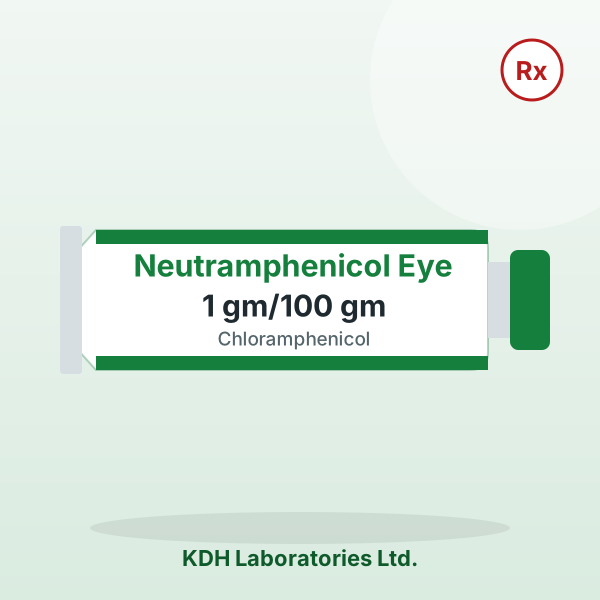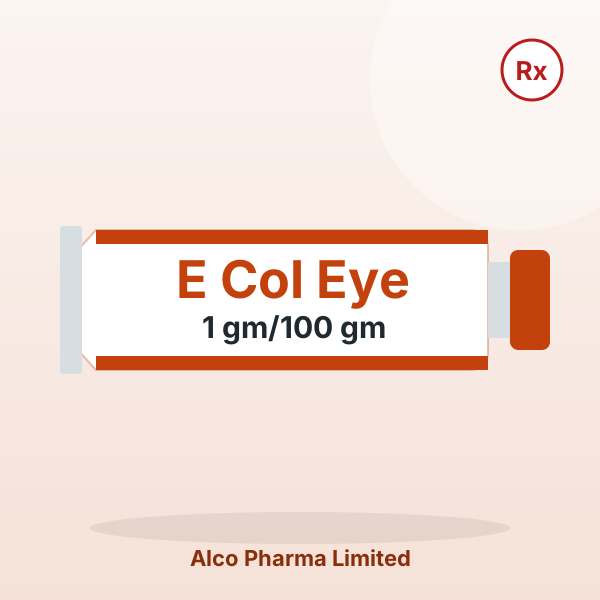
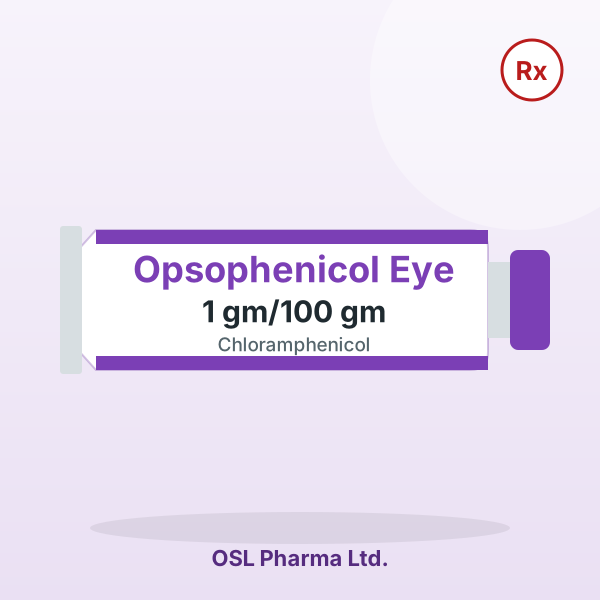
Opsophenicol 1 gm/100 gm Eye Ointment
Chloramphenicol · 1 gm/100 gm
Medicine information: uses, dosage, side effects ↓
- Delivery charge from ৳60; free over ৳1,999
- 100% genuine product
- Easy return within 7 days if damaged or wrong
Product details
- Generic name
- Chloramphenicol
- Strength
- 1 gm/100 gm
- Dosage form
- Eye Ointment
- Manufacturer / brand
- OSL Pharma Ltd.
- SKU
- 259-0030-052
Medicine information: Chloramphenicol
Indications
Broad-spectrum antibiotic. In Bangladesh mostly used as:
- Eye drops/ointment: bacterial conjunctivitis and superficial eye infections
- Ear drops: outer and middle ear infections (without perforated eardrum)
- Systemic (capsule/injection): reserved for serious infections when safer drugs cannot be used — typhoid fever, bacterial meningitis, rickettsial infections, brain abscess
Dosage & administration
Eye drops 0.5%: 1 drop every 2 hours for the first 2 days, then 1 drop four times daily; continue for 48 hours after healing (usually 5 days total).
Eye ointment 1%: apply at night (with drops in the day) or 3–4 times daily.
Ear drops 5%: 2–3 drops 2–3 times daily.
Systemic (adults and children): 50 mg/kg/day in 4 divided doses (up to 100 mg/kg/day in meningitis, reduce when possible).
- Neonates: reduced doses with blood level monitoring (risk of "grey baby syndrome").
- Systemic use only under medical supervision with blood count monitoring.
Contraindications
- Allergy to chloramphenicol
- History of blood disorders/bone marrow suppression, especially caused by chloramphenicol
- Porphyria
- Systemic use for minor infections, or for prevention
Side effects
Eye drops: brief stinging, burning, blurred vision (ointment).
Systemic: nausea, vomiting, diarrhoea, dry mouth.
Rare but serious (systemic): bone marrow suppression — dose-related low blood counts, and rare irreversible aplastic anaemia (may occur even weeks after stopping, very rarely even with eye drops); grey baby syndrome in newborns; optic and peripheral neuritis with long use.
Precautions & warnings
- Avoid repeated or prolonged courses.
- Systemic: blood counts before and during treatment; liver/kidney impairment needs lower dose.
- Contact lenses: remove during eye drop treatment.
- Report unusual bleeding, bruising, sore throat or fever.
Pregnancy & breastfeeding
Systemic use contraindicated in late pregnancy and breastfeeding (grey baby syndrome, bone marrow toxicity in infant). Eye drops: use only if necessary.
Interactions
- Other bone-marrow-suppressing drugs: clozapine, carbamazepine, methotrexate, azathioprine (avoid)
- Warfarin, phenytoin, sulphonylureas, ciclosporin (levels rise)
- Rifampicin, phenobarbital (reduce chloramphenicol levels)
- Iron, vitamin B12 and folic acid (response may be reduced)
Overdose
Systemic: bone marrow suppression, cardiovascular collapse (especially in neonates). Emergency treatment.
Storage
Eye drops: store in a refrigerator (2–8°C) before opening; after opening use within 4 weeks (store below 25°C). Capsules: below 30°C.
This information is for general reference only. Always follow the dose prescribed by your doctor and ask a doctor or pharmacist before taking any medicine.
Ratings & reviews
No reviews yet. Be the first to review this product.